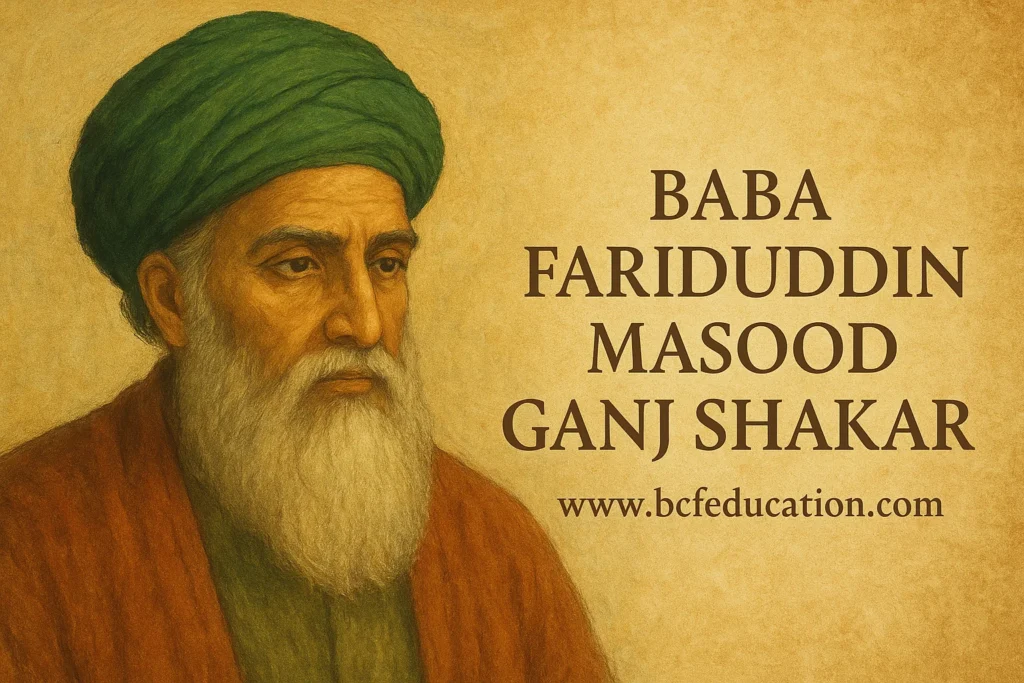
Baba Farid Ganj Shakar – A Sufi’s hidden spiritual Journey
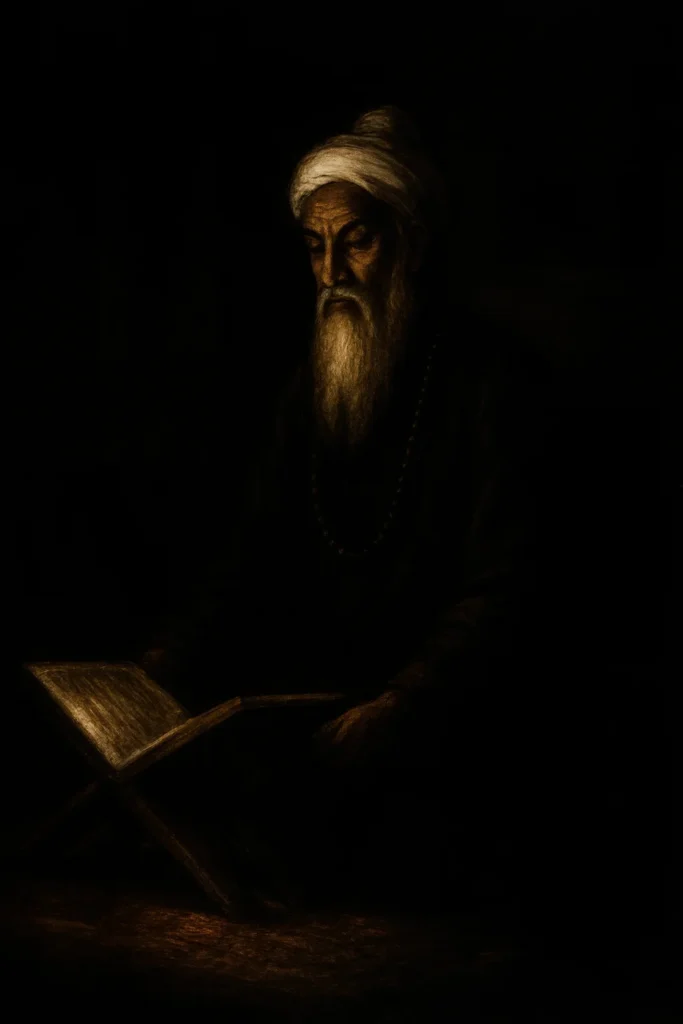
Baba Fariduddin Masood Ganj Shakar, lovingly known as Baba Farid, is one of the most celebrated Sufi saints of the Indian subcontinent. His poetry, teachings, and spiritual legacy continue to inspire millions across Pakistan, India, and the Punjabi-speaking world. As the earliest known Punjabi poet whose verses are preserved in the Sikh scripture Guru Granth Sahib, Baba Farid holds a unique place in the cultural and spiritual heritage of South Asia.
Early Life and Background
Baba Farid was born in 1173 CE in Kothewal (now in Pakistan) during a time of great social and political upheaval. His father, Jamal-ud-Din Suleiman, belonged to a respectable family, and his mother, Qarsum Bibi, played a significant role in shaping his spiritual mind. Baba Farid showed signs of devotion and discipline from a young age.
He traveled extensively in pursuit of spiritual guidance and became a disciple of the renowned Sufi saint Khwaja Qutbuddin Bakhtiyar Kaki. It was under his guidance that Baba Farid’s journey toward deep mysticism and inner purification began.
Why He Is Called “Ganj Shakar”
The title Ganj Shakar, meaning “Treasure of Sugar”, is associated with a popular legend. It is said that Baba Farid spent years in spiritual austerity, starving and devoting himself to worship. His mother would place a bit of sugar under his prayer mat to keep his spirits high. One day, when he felt the sweetness under the mat, he believed it was a divine blessing. When his mother revealed the truth, the sweetness came to symbolize the sweetness of faith, earning him the beloved title Ganj Shakar.
Teachings and Philosophy
Baba Farid’s teachings revolve around:
1. Self-Purification
He believed that purification of the soul comes through humility, patience, and constant remembrance of God.
2. Love for Humanity
Baba Farid emphasized khidmat (service), compassion, and helping the poor and oppressed.
3. Simplicity
He lived a life of extreme simplicity, rejecting material wealth and worldly recognition.
4. Non-Violence
His verses encourage peace, tolerance, and forgiving others—messages deeply relevant even today.
Baba Farid’s Poetry
Baba Farid is recognized as the earliest major Punjabi Sufi poet. His shlokas and shaloks are preserved in the Guru Granth Sahib, making him a spiritual bridge between Muslims, Sikhs, and followers of the broader Punjabi culture.
His poetry is simple, direct, and filled with metaphorical depth. It explores themes like the fleeting nature of life, the importance of good deeds, and unity with the Divine.
Some Famous Verses of Baba Farid
1.
“Farida bure da bhalaa kar, ghussa mann na handaaye;
Dehee rog na lagayee, paap na lagayee khaaye.”
Meaning:
O Farid, do good to those who harm you; do not let anger cloud your heart. This way you will remain free from physical and spiritual illness.
2.
“Farida, khaak na nindiye, khaakoo jeeḍ na keoye;
Jeṭhee jeevan sabh koi, vich khaak raho.”
Meaning:
Do not insult the dust; nothing is more powerful than dust. Everything comes from dust and ultimately returns to it.
Role in the Chishti Sufi Order
Baba Farid was a key pillar of the Chishti Sufi Order, known for spreading love, tolerance, and spiritual wisdom throughout South Asia. After Khwaja Qutbuddin Kaki, Baba Farid became a central figure in the lineage and later transferred spiritual leadership to his famous successor, Hazrat Nizamuddin Auliya of Delhi.
Shrine at Pakpattan
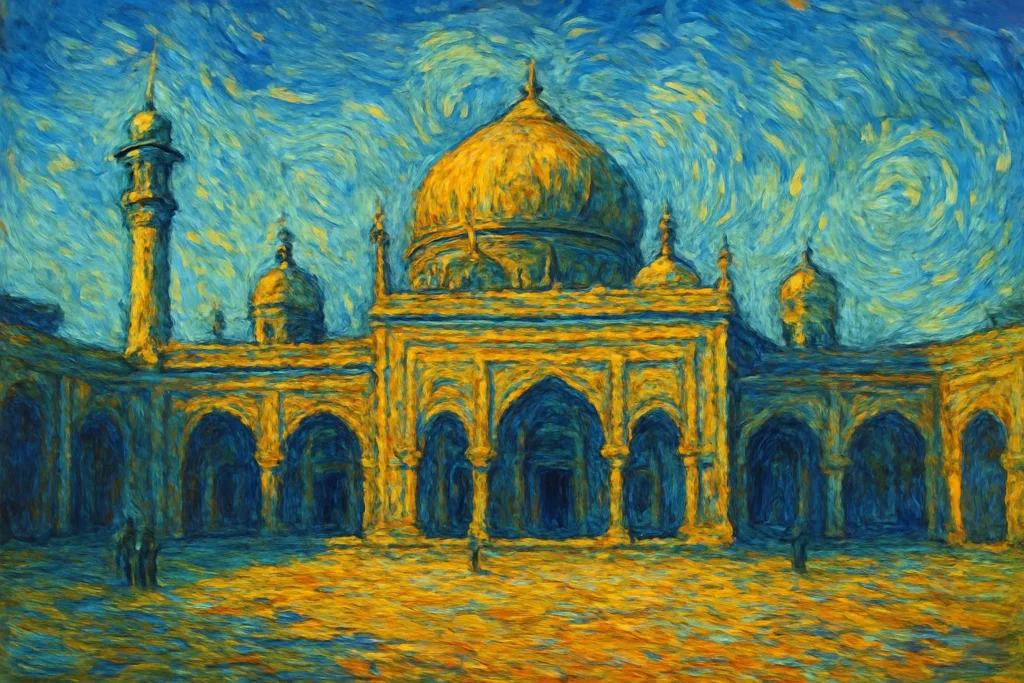
Baba Farid spent the latter part of his life in Ajodhan, which later came to be known as Pakpattan, meaning “The Holy Ferry”. His shrine in Pakpattan is one of the most visited Sufi shrines in Pakistan. Devotees from all walks of life gather annually at his urs to celebrate his life and teachings.
The shrine is especially known for the ritual of Babe di Dehleej (the sacred gate), which symbolizes humility and spiritual passage.
Legacy and Influence
Baba Farid’s impact goes far beyond religion. He is regarded as:
- A founding father of Punjabi literature
- A symbol of peace and interfaith harmony
- A guiding light for Sufi thought in South Asia
- An inspiration for poets like Waris Shah, Bulleh Shah, Sultan Bahu, and Shah Hussain
His message of love, humility, and devotion continues to shine today, making him a timeless spiritual figure.
Baba Farid Ganj Shakar remains not only a revered Sufi saint but also a cultural icon who shaped Punjabi spiritual literature. His life is an enduring reminder that true devotion lies in humility, kindness, and love for all. His verses continue to resonate with seekers around the world, offering guidance in times of confusion and noise.
Baba Farid Ganj Shakar: Identity and Significance
• Name and Title: Baba Fariduddin Masood Ganj Shakar, lovingly known as Baba Farid.
• Significance: He is one of the most celebrated Sufi saints of the Indian subcontinent.
• Spiritual Role: He was a prominent figure and key pillar of the Chishti Sufi Order. After the passing of his teacher, Khwaja Qutbuddin Bakhtiyar Kaki, in 1235, Baba Farid became the spiritual leader of the Chishti order in India.
• Cultural Icon: He is regarded as a founding father of Punjabi literature, a cultural icon who shaped Punjabi spiritual literature, and a symbol of peace and interfaith harmony.
Early Life and Background
• Birth: Born in 1173 CE in Kothewal (now in Pakistan).
◦ Note on alternate date: He was also cited as being born on the 29th of Sha’ban in 569 AH (around April 4, 1179 CE) in Khotwal, near Lahore.
• Family: His father was Jamal-ud-Din Suleiman, and his mother, Qarsum Bibi, significantly shaped his spiritual mind.
• Spiritual Journey: He showed signs of devotion and discipline early on. He became a disciple of Khwaja Qutbuddin Bakhtiyar Kaki, which began his journey toward deep mysticism and inner purification.
• Succession: He later transferred spiritual leadership to his famous successor, Hazrat Nizamuddin Auliya of Delhi.
• Settlement: He spent the latter part of his life in Ajodhan, which is now known as Pakpattan (meaning “The Holy Ferry”).
The Title “Ganj Shakar” (Treasure of Sugar)
The title Ganj Shakar, meaning “Treasure of Sugar,” has several legendary explanations:
1. Mother’s Support: During years of spiritual austerity and starvation, his mother would place a bit of sugar under his prayer mat. When he found the sweetness, he believed it was a divine blessing, which came to symbolize the sweetness of faith.
2. Miraculous Pebbles: During intense fasting (mujaahidah), he experienced dire hunger. When he placed pebbles in his mouth, they miraculously turned into sugar.
• The title reflects both miraculous life events and the sweetness of his spiritual teachings.
Teachings and Philosophy
Baba Farid’s teachings revolve around:
1. Self-Purification: Achieved through humility, patience, and constant remembrance of God.
2. Love for Humanity: Emphasizing khidmat (service), compassion, and helping the poor and oppressed.
3. Simplicity: He rejected material wealth and worldly recognition, living an extremely simple life.
4. Non-Violence: His verses encourage peace, tolerance, and forgiving others.
Literary Contribution (Poetry)
• Pioneer: He is recognized as the earliest major Punjabi Sufi poet.
• Preservation: His verses (shlokas and shaloks) are preserved in the Sikh scripture Guru Granth Sahib.
• Spiritual Bridge: His poetry makes him a spiritual bridge revered by Muslims, Sikhs, Hindus, and followers of the broader Punjabi culture.
• Style and Themes: His poetry is simple, direct, and filled with metaphorical depth, exploring themes like the fleeting nature of life, good deeds, and unity with the Divine.
Famous Verses:
• Verse 1: “O Farid, do good to those who harm you; do not let anger cloud your heart. This way you will remain free from physical and spiritual illness.”
• Verse 2: “Do not insult the dust; nothing is more powerful than dust. Everything comes from dust and ultimately returns to it.”
Legacy and Shrine
• Center of Pilgrimage: His shrine in Pakpattan is one of the most visited Sufi shrines in Pakistan.
• Annual Gathering: Devotees gather annually at his urs (celebration).
• Sacred Gate: The shrine is known for the ritual of Babe di Dehleej (the sacred gate), which symbolizes humility and spiritual passage.
• Enduring Influence: His message continues to shine today. He was an inspiration for later poets like Waris Shah, Bulleh Shah, Sultan Bahu, and Shah Hussain. His life is an enduring reminder that true devotion lies in humility, kindness, and love for all.
hikr—continuous remembrance of God—was central to his spiritual training. Baba Farid taught that a heart filled with God’s remembrance becomes liberated from worldly fears and anxieties.
Literary Contributions: The Poetry of Baba Farid
One of the most enduring legacies of Baba Farid is the body of poetry attributed to him. His Punjabi shaloks (couplets) are among the earliest recorded Punjabi literature and reflect his profound spiritual insight expressed in simple language.
Notably, some of his verses were later incorporated into the Guru Granth Sahib, the holy scripture of Sikhism, which speaks to the widespread impact of his spiritual wisdom.
His poetry deals with:
The pain of separation from God
The struggle against one’s ego
The impermanence of worldly life
The beauty of humility and patience
Though concise, his couplets offer deep moral and spiritual lessons.
Legacy and Influence
Baba Farid’s influence extends far beyond his lifetime. As a pivotal figure in the Chishti order, his teachings shaped subsequent generations of Sufi saints, including his famous disciple Nizamuddin Auliya of Delhi.
His shrine in Pakpattan remains a major center of pilgrimage, symbolizing his role as a unifying figure in South Asian spirituality. His message of love, humility, and tolerance continues to resonate, offering guidance in a world still struggling with divisions.
Baba Farid Ganj Shakar stands as a beacon of spirituality in the history of South Asia. His life, marked by rigorous asceticism and unwavering devotion, offers a profound example of the transformative power of Sufism. Through his teachings, poetry, and compassionate service to humanity, he embodies the timeless Sufi ideals that emphasize inner purification, divine love, and universal brotherhood. Even centuries later, Baba Farid’s message continues to inspire seekers of truth, guiding them on the path of humility, remembrance of God, and service to mankind.
For more readings click below;